Why D’Bleu Exists: The Founder Story
The moment of truth, the belief system, and the wins that shaped D’Bleu.
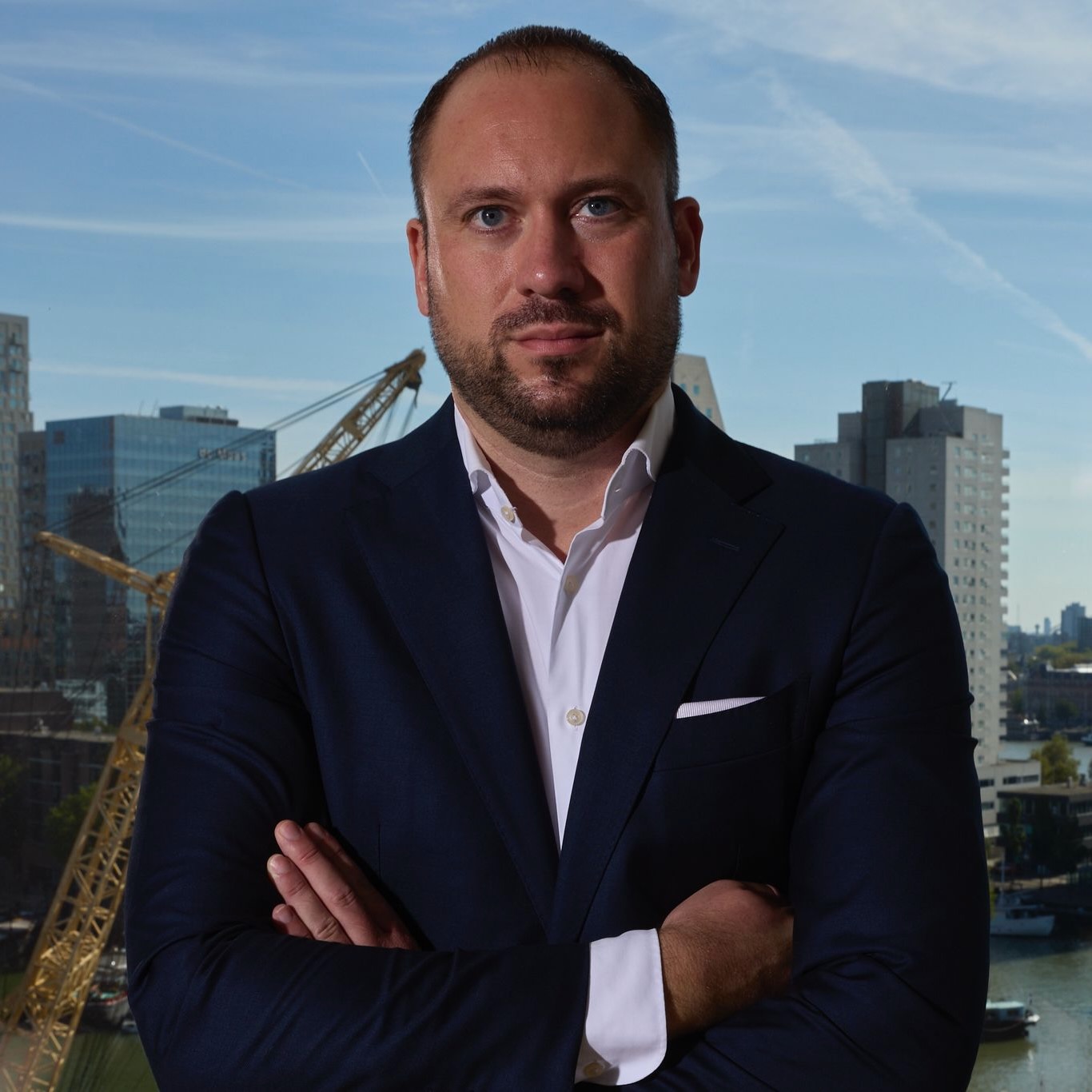
Velocity is a leadership choice, not luck.
I didn’t start D’Bleu because I wanted a logo. I started it because I hit a wall.
I was leading a Business Unit with a clear plan: modernise the unit, grow the business development engine, put in stronger talent systems, and future-proof the way we delivered. I wasn’t trying to be loud; I was trying to be effective. But the more I pushed, the more I was told to stick to the old map. Obedience over judgment. Approval over outcomes.
It clicked one late evening in an empty office: I was running a business, owning decisions, owning the P&L, yet I wasn’t free to lead. I wanted the freedom to tell the truth, learn by doing, and build from the bottom up. That’s the day D’Bleu began, long before the paperwork.
Why the name
D’Bleu blends my surname Bloo (French bleu) with the Δ (delta) symbol for decisive change, calm under pressure + action when it counts.
What I kept seeing inside large organisations
Most people are capable and care. But systems teach them to avoid risk, to hide behind process, to let the “machine” decide. When truth gets edited to protect power, speed dies. And when speed dies, value dies.
I don’t change that with posters. I change it by listening, deciding, and showing teams how to win again.
The first 48 hours
I show up and listen properly on the floor, not just in the boardroom. I map the system, not the org chart. I ask simple, hard questions: What’s blocking value? Who decides? Where does truth live? Then we make the first real choice together and put it on a visible clock. Timeboxes force clarity.
“What you’re not changing, you’re choosing.” That line lands with everyone, from engineers to executives.
A turnaround that shaped me
When I stepped into the role as Business Unit Director, the unit was wobbling. Half the consultants were near contract expiry. The BD team was new. We didn’t even have CRM access to know who to call. Commitment was low.
We covered a wall with brown paper, listed the problems, set targets, and built a 24-hour plan. Within a month we’d extended most contracts, rebuilt client contact, set expectations, and stood up recruitment, performance and learning. The mood shifted: people wanted to win again. Revenue followed, +30% but the part that stayed with me was the change in posture. Heads up. Eyes forward.
When access is blocked, money burns
I’ve been prevented from talking to the people doing the work because truth is inconvenient. Later I learned it wasn’t about me; it was fear. That’s when I wrote my rule: full access to people, systems and data. No access, no engagement. Theatre is expensive.
A programme that wouldn’t move, until it did
The program, a critical to the Dutch energy transition, was stuck. Politics, complexity, years of stall. We installed SAFe with discipline, professionalised international collaboration, and put real-time delivery analytics on the table so predictability stopped being a wish. The system went live nationwide. Not a miracle, just decisions, cadence, and transparency.
A transformation at scale
At a Global media/telecom, I worked across five countries and 500+ people on Horizon and Horizon Go. We built a data-driven delivery culture: business case for SAFe, health checks, agile practice, and dashboards that made scope, velocity, and risk unmissable. Cycle time moved 40 → 36 weeks. Confidence returned because evidence returned.
What I believe (and won’t compromise)
- Timebox everything. Indefinite projects create indefinite excuses.
- Data beats drama. We decide on flow metrics, not politics.
- Leaders remove friction. Real leaders unblock work; they don’t hide in meetings.
- Change sticks when teams win weekly. Momentum > memos.
These aren’t slogans; they’re guardrails. Break them and we drift back to theatre.
Why D’Bleu, and where it’s going
I built D’Bleu to do the work the right way and to teach others to keep winning after I’m gone. I’m not building a factory; I’m building a tight team 20–30 people over time, small enough to know each other, strong enough to move big things. Clients will be partners. The point isn’t headcount; it’s outcomes and pride.
Beyond work
I run a small foundation supporting women and children in Kenya with access to education. I also train regularly, these days the gym; earlier, I was an obsessive road cyclist. The discipline helps when the job gets messy.
If your programme is stalled, if truth is optional, if meetings have replaced movement, let’s talk.
Work with D’Bleu